Deuteronomy
Chapter
28
Vers. 15 - 68
Deuteronomy 28
Hosea 4:6 My people are destroyed for lack of knowledge:
 |  |  |  |
Secret ties between the CIA and drugs revealed
Our Challenge: We will publicly debate any "Bible Theologian" on the curses
of Deuteronomy 28 to determine which group of people fit these curses!
of Deuteronomy 28 to determine which group of people fit these curses!

The True Name Of God (YAH)
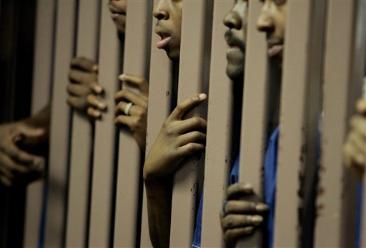
Thousands of young Black men are
serving long prison sentences for
selling cocaine -- a drug that was
virtually unobtainable in Black
neighborhoods before members of the
CIA's army started to bring it into South
Central in the 1980s at bargain
basement prices," wrote Mercury News
reporter Gary Webb, in the first
installment of the shocking series of
reports.
serving long prison sentences for
selling cocaine -- a drug that was
virtually unobtainable in Black
neighborhoods before members of the
CIA's army started to bring it into South
Central in the 1980s at bargain
basement prices," wrote Mercury News
reporter Gary Webb, in the first
installment of the shocking series of
reports.
LOS ANGELES - New evidence has
surfaced linking the U.S. Central
Intelligence Agency to the introduction
of crack cocaine into Black
neighborhoods with drug profits used
to fund the CIA-backed Nicaraguan
Contra army in the early 1980s.This
evidence has given credence to
long-held suspicions of the U.S.
government's role in undermining
Black communities.
surfaced linking the U.S. Central
Intelligence Agency to the introduction
of crack cocaine into Black
neighborhoods with drug profits used
to fund the CIA-backed Nicaraguan
Contra army in the early 1980s.This
evidence has given credence to
long-held suspicions of the U.S.
government's role in undermining
Black communities.
This CIA-backed drug network opened the first pipeline between Columbia's cocaine cartels and the
Black neighborhoods of Compton and Los Angeles, according to the Mercury News. in time, the cocaine
that flooded Los Angeles helped spark a "crack explosion" in urban America and provided the cash and
connections needed for Los Angeles's gangs to buy Uzi sub-machine guns, AK-47 rifles, and other
assault weapons that would fuel deadly gang turf wars, drive-by shootings, murders and robberies --
courtesy of the U.S. government, according to the article.
Black neighborhoods of Compton and Los Angeles, according to the Mercury News. in time, the cocaine
that flooded Los Angeles helped spark a "crack explosion" in urban America and provided the cash and
connections needed for Los Angeles's gangs to buy Uzi sub-machine guns, AK-47 rifles, and other
assault weapons that would fuel deadly gang turf wars, drive-by shootings, murders and robberies --
courtesy of the U.S. government, according to the article.
While the FDN's war is barely a memory
today, Black America is still dealing with its
poisonous side effects. Urban
neighborhoods are grappling with legions
of homeless crack addicts. Thousands of
young Black men are serving long prison
sentences for selling cocaine -- a drug
that was virtually unobtainable in Black
neighborhoods before members of the
CIA's army started bring it into South
Central in the 1980s at bargain basement
prices," wrote Mercury News reporter Gary
Webb, in the first installment of the
shocking series of reports.
today, Black America is still dealing with its
poisonous side effects. Urban
neighborhoods are grappling with legions
of homeless crack addicts. Thousands of
young Black men are serving long prison
sentences for selling cocaine -- a drug
that was virtually unobtainable in Black
neighborhoods before members of the
CIA's army started bring it into South
Central in the 1980s at bargain basement
prices," wrote Mercury News reporter Gary
Webb, in the first installment of the
shocking series of reports.
Although the Mercury News details the activities of numerous Nicaraguan and American informants and
ties involved in the drug-gun trade, three men are cited as key players: Norwin Meneses, a Nicaraguan
smuggler and FDN boss; Danilo Blandon, a cocaine supplier, top FDN civilian leader in California, and
DEA informant; and Ricky Donnell Ross, a South Central Los Angeles high school dropout and drug
trafficker of mythic proportions, who was Mr. Blandon's biggest customer. According to the Mercury
News article, for the better part of a decade, "Freeway Rick," as he was nicknamed, was unaware of his
supplier's military and political connections.
ties involved in the drug-gun trade, three men are cited as key players: Norwin Meneses, a Nicaraguan
smuggler and FDN boss; Danilo Blandon, a cocaine supplier, top FDN civilian leader in California, and
DEA informant; and Ricky Donnell Ross, a South Central Los Angeles high school dropout and drug
trafficker of mythic proportions, who was Mr. Blandon's biggest customer. According to the Mercury
News article, for the better part of a decade, "Freeway Rick," as he was nicknamed, was unaware of his
supplier's military and political connections.
But together, the trio was directly and indirectly responsible for introducing and selling crack cocaine as
far away as Cleveland, Cincinnati, Indianapolis, Dayton and St. Louis. Ricky Ross' street connections,
ability to obtain cocaine at low prices and deals that allowed him to receive drugs from Contra-CIA
operatives with no money upfront helped him to undercut other dealers and quickly spread crack. He
also sold crack wholesale to gangs across the country, said the Mercury News report. Most of the
information surrounding the CIA's involvement in the crack trade came from testimony in the March drug
trafficking trial of Mr. Ross, 36, who, along with two other men were convicted of cocaine conspiracy
charges in San Diego.
far away as Cleveland, Cincinnati, Indianapolis, Dayton and St. Louis. Ricky Ross' street connections,
ability to obtain cocaine at low prices and deals that allowed him to receive drugs from Contra-CIA
operatives with no money upfront helped him to undercut other dealers and quickly spread crack. He
also sold crack wholesale to gangs across the country, said the Mercury News report. Most of the
information surrounding the CIA's involvement in the crack trade came from testimony in the March drug
trafficking trial of Mr. Ross, 36, who, along with two other men were convicted of cocaine conspiracy
charges in San Diego.
A federal judge indefinitely postponed Mr. Ross's Aug. 23 sentencing to grant his lawyer time to try to
show that federal authorities misused DEA agent Mr. Blandon to entrap Mr. Ross in a "reverse" sting
last year. Mr. Ross could receive life in prison without the possibility of parole. Records show that Mr.
Ross was still behind bars in Cincinnati in 1994, awaiting parole, when San Diego DEA agents targeted
him for the reverse sting-- one in which government agents provide the drugs and the target provides
the cash. Though Mr. Blandon has admitted to crimes that have sent others away for life, the U.S.
Justice Department turned him loose on unsupervised probation in 1994 after only 28 months behind
bars and has paid him more than $166,000 since, court records show.
show that federal authorities misused DEA agent Mr. Blandon to entrap Mr. Ross in a "reverse" sting
last year. Mr. Ross could receive life in prison without the possibility of parole. Records show that Mr.
Ross was still behind bars in Cincinnati in 1994, awaiting parole, when San Diego DEA agents targeted
him for the reverse sting-- one in which government agents provide the drugs and the target provides
the cash. Though Mr. Blandon has admitted to crimes that have sent others away for life, the U.S.
Justice Department turned him loose on unsupervised probation in 1994 after only 28 months behind
bars and has paid him more than $166,000 since, court records show.
On Aug. 23, the Los Angeles City Council, responding to pressure by the Los Angeles Chapter of the
Black American Political Association of California (BAPAC), asked U.S. Atty. Janet Reno to investigate
the government's involvement in the alleged sale of illegal street drugs in Los Angeles' Black
community to support the CIA-backed Contras. BAPAC, a statewide coalition of political activists, has
also demanded that the U.S. government provide the necessary funding, materials and labor to
rebuild urban areas destroyed by crack cocaine, as well as the necessary medical care, education,
counseling, and vocational training to restore shattered lives. Long-term Los Angeles activists Chilton
Alphonse, founder of the Community Youth Sports & Arts Foundation, which aids former gang
members, said he briefly assisted Ricky Ross when the drug dealer was paroled from prison in
October 1994, after serving about half of a 10-year prison sentence in Cincinnati in exchange for his
testimony against corrupt Los Angeles police detectives.
Black American Political Association of California (BAPAC), asked U.S. Atty. Janet Reno to investigate
the government's involvement in the alleged sale of illegal street drugs in Los Angeles' Black
community to support the CIA-backed Contras. BAPAC, a statewide coalition of political activists, has
also demanded that the U.S. government provide the necessary funding, materials and labor to
rebuild urban areas destroyed by crack cocaine, as well as the necessary medical care, education,
counseling, and vocational training to restore shattered lives. Long-term Los Angeles activists Chilton
Alphonse, founder of the Community Youth Sports & Arts Foundation, which aids former gang
members, said he briefly assisted Ricky Ross when the drug dealer was paroled from prison in
October 1994, after serving about half of a 10-year prison sentence in Cincinnati in exchange for his
testimony against corrupt Los Angeles police detectives.
He came back to Los Angeles and tried to get his life together," Mr. Alphonse said. "Rick was a
legend in the streets. But he flipped (testified against law enforcement officers). He said they used
him to skim money from him." Mr. Alphonse was referring to Mr. Ross's 1991 testimony against Los
Angeles Police Department narcotics detectives who had been fired or indicted along with dozens of
deputies from the Los Angeles County sheriff's elite narcotics squads for allegedly beating suspects,
stealing drug money and planting evidence. Mr. Alphonse, who now resides in Alabama, said he has
warned for years that the flood of crack cocaine and assault weapons into the Black community was
not the doing of the Bloods and Crips. "Inner city youth don't have the resources to manufacture
cocaine or ship in guns," Mr. Alphonse said. Others agree.
legend in the streets. But he flipped (testified against law enforcement officers). He said they used
him to skim money from him." Mr. Alphonse was referring to Mr. Ross's 1991 testimony against Los
Angeles Police Department narcotics detectives who had been fired or indicted along with dozens of
deputies from the Los Angeles County sheriff's elite narcotics squads for allegedly beating suspects,
stealing drug money and planting evidence. Mr. Alphonse, who now resides in Alabama, said he has
warned for years that the flood of crack cocaine and assault weapons into the Black community was
not the doing of the Bloods and Crips. "Inner city youth don't have the resources to manufacture
cocaine or ship in guns," Mr. Alphonse said. Others agree.
According to a series of groundbreaking reports by the San Jose Mercury News, for the better part of a
decade, a San Francisco Bay Area drug ring, comprised of CIA and U.S. Drug Enforcement Agency
agents and informants, sold tons of cocaine to the Crips and Bloods street gangs of Los Angeles.
Millions of dollars in drug profits were then funneled to the Fuerza Democratica Nicaraguense
(Nicaraguan Democratic Force), the largest of several anti-Communists commonly called the Contras.
The 5,000-man FDN was created in mid-1981 and run by both American and Nicaraguan CIA agents in
its losing war against Nicaragua's Sandinista government, the Cuban-supported socialists who had
overthrown U.S.-backed dictator Anastasio Somoza in 1979.
decade, a San Francisco Bay Area drug ring, comprised of CIA and U.S. Drug Enforcement Agency
agents and informants, sold tons of cocaine to the Crips and Bloods street gangs of Los Angeles.
Millions of dollars in drug profits were then funneled to the Fuerza Democratica Nicaraguense
(Nicaraguan Democratic Force), the largest of several anti-Communists commonly called the Contras.
The 5,000-man FDN was created in mid-1981 and run by both American and Nicaraguan CIA agents in
its losing war against Nicaragua's Sandinista government, the Cuban-supported socialists who had
overthrown U.S.-backed dictator Anastasio Somoza in 1979.
For nearly a decade the CIA, helped spread crack
cocaine in Black ghettos
cocaine in Black ghettos
Mr. Blandon's boss in the FDN's cocaine operation, Norwin Meneses, has never spent a day in a U.S.
prison, even though the federal government has been aware of his cocaine dealings since at least
1974, according to the Mercury News article. For years, writers, authors, activists, gang members and
others have implicated the U.S. government in the deadly crack cocaine-gun trade. Many have
charged the U.S. government with supplying gang members with these tools in an effort to undermine
and eradicate the Black community through wanton murder, drug addiction and crime. Some believe
crack did not become an "American problem" until the drug began hitting white neighborhoods and
affecting white children.
prison, even though the federal government has been aware of his cocaine dealings since at least
1974, according to the Mercury News article. For years, writers, authors, activists, gang members and
others have implicated the U.S. government in the deadly crack cocaine-gun trade. Many have
charged the U.S. government with supplying gang members with these tools in an effort to undermine
and eradicate the Black community through wanton murder, drug addiction and crime. Some believe
crack did not become an "American problem" until the drug began hitting white neighborhoods and
affecting white children.
Henry Stuckey, of Stop the Violence/Increase the Peace, said that government involvement in
community drug trafficking was common knowledge in some circles. "Obviously African American
males didn't have planes and boats to move the guns and narcotics into the Black community." Mr.
Stuckey said. Mr. Stuckey said that Black and Latino youths must be appraised of the government's
involvement in order to understand that their communities will continue to be the dumping grounds
for guns and drugs unless the youths "do for self." "I do think that the blame that was laid on the
gangs was wrong," Mr. Stuckey said. "But I can't say that it vindicates them for their actions because
they had a choice in the matter. (Still) it's horrible that the government targeted our youth."
community drug trafficking was common knowledge in some circles. "Obviously African American
males didn't have planes and boats to move the guns and narcotics into the Black community." Mr.
Stuckey said. Mr. Stuckey said that Black and Latino youths must be appraised of the government's
involvement in order to understand that their communities will continue to be the dumping grounds
for guns and drugs unless the youths "do for self." "I do think that the blame that was laid on the
gangs was wrong," Mr. Stuckey said. "But I can't say that it vindicates them for their actions because
they had a choice in the matter. (Still) it's horrible that the government targeted our youth."
Mr. Freeman said he knows firsthand of the deceit of which the government is capable; a
government, he said, that tries to "set itself up as if it's higher than God when really it's lower than
the devil."
government, he said, that tries to "set itself up as if it's higher than God when really it's lower than
the devil."
[Note: This article was originally published in 1996]
Black men serving long prison sentences
The Shocking Truth About African Americans
PROVES THE TRUE CHILDREN
OF ISRAEL ARE BLACK